
Leg vein conditions are far more common than many people realize, and their early signs often go unnoticed or are brushed aside as simple fatigue or aging. However, paying attention to subtle changes in the legs can help catch an issue before it progresses into something more serious. Whether the concern is varicose veins, chronic venous insufficiency, or spider veins, understanding the symptoms of a leg vein condition can lead to early treatment and better long-term leg health.
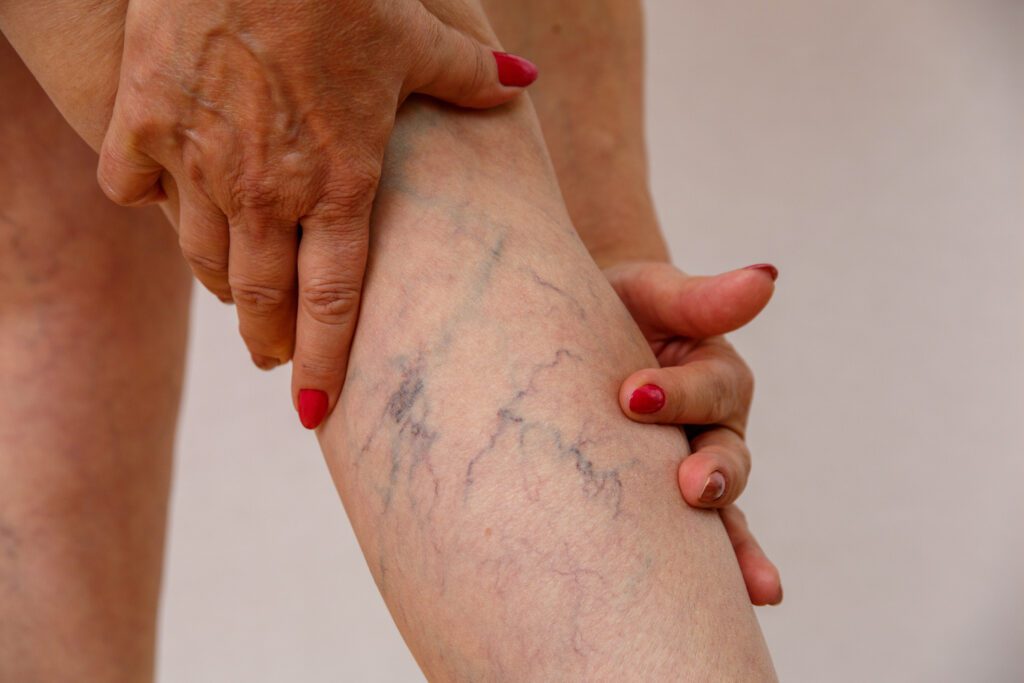
Visible Changes in the Skin
One of the earliest and most recognizable signs of a leg vein condition is the appearance of visible veins. These may begin as fine, web-like red or blue lines known as spider veins, often appearing on the thighs, calves, or ankles. Over time, weakened or enlarged veins may become more prominent, bulging or twisting under the skin. These are known as varicose veins and are usually blue or purple in color.
Some people experience changes in skin texture or tone around the affected veins. The skin may become dry, itchy, or irritated, sometimes developing a rash called venous eczema. In more advanced cases, the skin may darken or take on a leathery appearance due to poor circulation and inflammation.
Aching, Heaviness, and Fatigue
A leg vein condition often goes beyond the cosmetic. Many individuals report a persistent feeling of heaviness in the legs, especially after standing for long periods. This sensation may feel like the legs are weighed down or tired, even without strenuous activity. Aching or throbbing pain is also common, typically worsening toward the end of the day or after prolonged sitting or standing. These symptoms are caused by blood pooling in the lower legs when the valves within the veins stop functioning efficiently. When blood can’t flow upward toward the heart as it should, pressure builds in the veins, contributing to discomfort and fatigue.
Swelling in the Lower Legs and Ankles
Swelling, also known as edema, is a frequent symptom of venous problems. It may be most noticeable around the ankles and lower calves and can worsen after long periods of inactivity. Shoes may feel tighter than usual by the end of the day, or you may notice marks on your skin from socks or footwear. This swelling occurs because blood and fluid accumulate in the tissues when vein valves are weakened or damaged. If swelling becomes persistent, it may indicate chronic venous insufficiency, a more advanced form of venous disease that requires medical attention.
Restlessness and Nighttime Discomfort
Many people with leg vein conditions experience restlessness or discomfort at night. This can take the form of cramping, throbbing, or a persistent urge to move the legs. Restless leg sensations may interfere with sleep, leaving you feeling fatigued in the morning. These symptoms are often relieved, at least temporarily, by elevating the legs or moving around.
Skin Ulcers and Slow-Healing Wounds
In advanced cases, a leg vein condition may lead to skin breakdown or slow-healing wounds known as venous ulcers. These typically form near the ankles and may start as small sores that gradually worsen. Poor circulation reduces the skin’s ability to repair itself, making even minor irritations difficult to heal. Venous ulcers require medical care and are a clear sign that the underlying vein issue needs treatment.
Treatment for Leg Vein Conditions in Springboro, OH
At Varicose to Perfect, we are dedicated to helping you achieve and maintain healthy, strong legs. If you experience any symptoms of a leg vein conditions, don’t hesitate to reach out. The sooner you make an appointment, the sooner you could reduce discomfort and other symptoms. Contact our office today to schedule a consultation and learn more about your treatment options.