
If you have varicose veins, you might worry that exercise could aggravate them. Maybe you’ve noticed your legs feel fuller or more achy after a run. Or perhaps you’ve been avoiding the gym altogether, afraid you’ll do more harm than good.
Here’s the truth: exercise is not the enemy of healthy veins. In fact, movement is one of the best things you can do. But not all exercise affects your veins the same way. At Varicose to Perfect in Springboro, OH, we want you to understand the difference so you can stay active without worsening your symptoms.
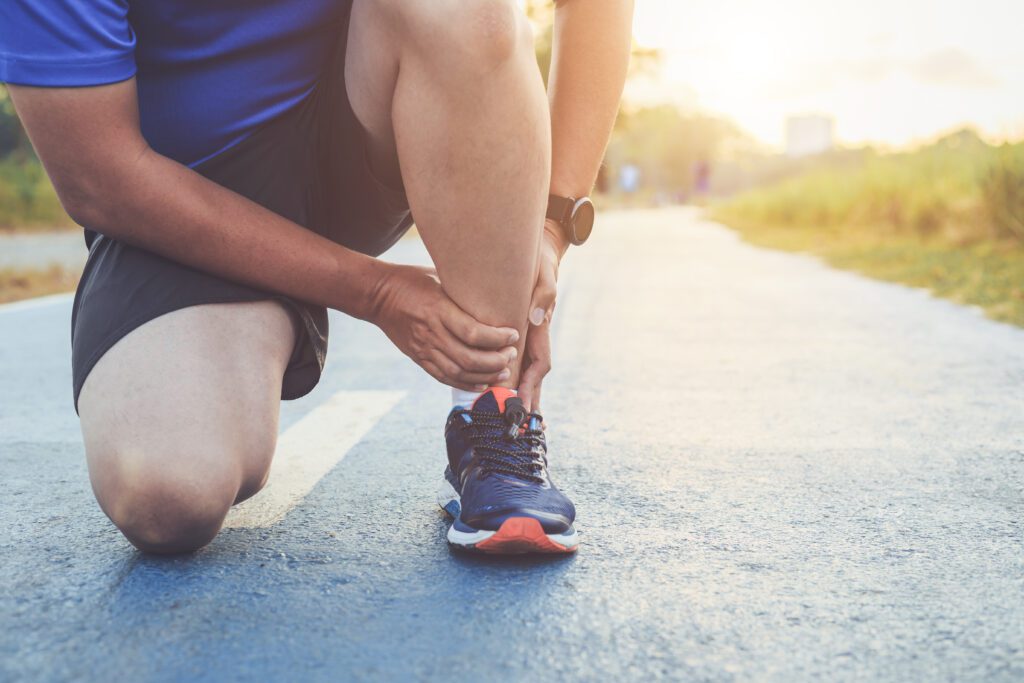
Why Exercise Usually Helps Varicose Veins
Your leg muscles play a big role in blood flow. When you walk, run, or lift, your muscles squeeze the deep veins in your legs. That squeezing action pushes blood upward toward your heart. It also keeps blood from pooling in your lower legs.
Regular exercise can:
- Improve overall circulation
- Strengthen the muscles that support your veins
- Help manage body weight, which reduces pressure on leg veins
- Reduce swelling and achiness over time
For most people, staying active is part of the solution, not the problem.
When Exercise Can Be a Problem
Certain types of exercise can temporarily make vein symptoms feel worse. Heavy lifting, especially with breath-holding and straining, increases pressure inside your abdomen. That pressure can travel down to your leg veins and make them bulge or ache more.
High-impact activities like jumping or sprinting may also feel uncomfortable if your veins are already tender. And standing still for long periods, such as during weight training, doesn’t engage your calf muscles, so blood isn’t pushed upward effectively.
Smart Exercise Tips for Healthy Veins
You don’t need to stop working out. You just need to be smart about it:
- Walk whenever you can. Walking is the best exercise for vein health. It’s low impact and keeps your calf muscles pumping. Aim for 20 to 30 minutes a day.
- Try swimming or cycling. Water pressure acts like natural compression, and the horizontal position of swimming takes gravity out of the equation. Cycling keeps your legs moving without hard impacts.
- Modify your strength training. Skip the heaviest weights and choose lighter loads with more repetitions. Breathe normally while lifting. Avoid holding your breath or straining.
- Take movement breaks. If your workout involves standing in place, add small movements. March in place, rise onto your toes, or walk a lap between sets.
- Elevate after exercise. After a workout, lie down and prop your legs up above heart level for 10 to 15 minutes. This helps any blood that pooled during exercise drain back out.
Listen to Your Body
Some achiness after a new workout is normal. But sharp pain, significant swelling, or a feeling of heaviness that lasts for hours could mean you’re overdoing it. Back off and try lower-impact options.
If exercise consistently makes your veins feel worse, that’s worth mentioning to Dr. Sinnathamby. It could be a sign that your vein condition needs treatment. The good news is that minimally invasive procedures like EVLT or sclerotherapy can fix the underlying problem. After treatment, most patients find they can return to their full range of activities without discomfort.
Improve Your Vein Health Today
Don’t let fear of making things worse keep you on the couch. For the vast majority of people, exercise helps varicose veins more than it hurts. Just choose your activities wisely, listen to your body, and keep moving.
If you’re unsure what’s safe for your specific situation, the team at Varicose to Perfect can help. We’ll evaluate your veins and give you clear guidance on staying active before, during, and after treatment.
Ready to stop wondering and start moving with confidence? Call our vein specialists. We’re here to help.